At this moment we don't have any surplus produce from our land to share. Please stay up to date with our workshops, consults and blogs in the meantime. DismissSkip to content
Plant trees & rewild the planet!
Forest edges are the most robust, nutritious, biodiverse systems on land. Forests manage fresh water availability, reduce CO2, manage their own healthy balance and cool the planet. Yet humans destroy 41 million trees every day. Let's rewild barren land, swap monoculture farming for mixed systems, stop the use of pesticides and plant one tree at a time.
Forest edges are the most robust, nutritious, biodiverse systems on land. Forests manage fresh water availability, reduce CO2, manage their own healthy balance and cool the planet. Yet humans destroy 41 million trees every day. Let's rewild barren land, swap monoculture farming for mixed systems, stop the use of pesticides and plant one tree at a time.
One of the most fascinating ideas in permaculture design is that plants do much more than simply grow in the soil. They communicate information about it.
If you learn to read them, plants can reveal whether the soil lacks nutrients, holds too much water, is compacted, or needs organic matter.
This is where two permaculture ideas meet:
Plant guilds – groups of plants that support each other
Signal plants – plants that reveal soil conditions
Together they help designers understand not just what to plant, but why certain plants belong in certain places.
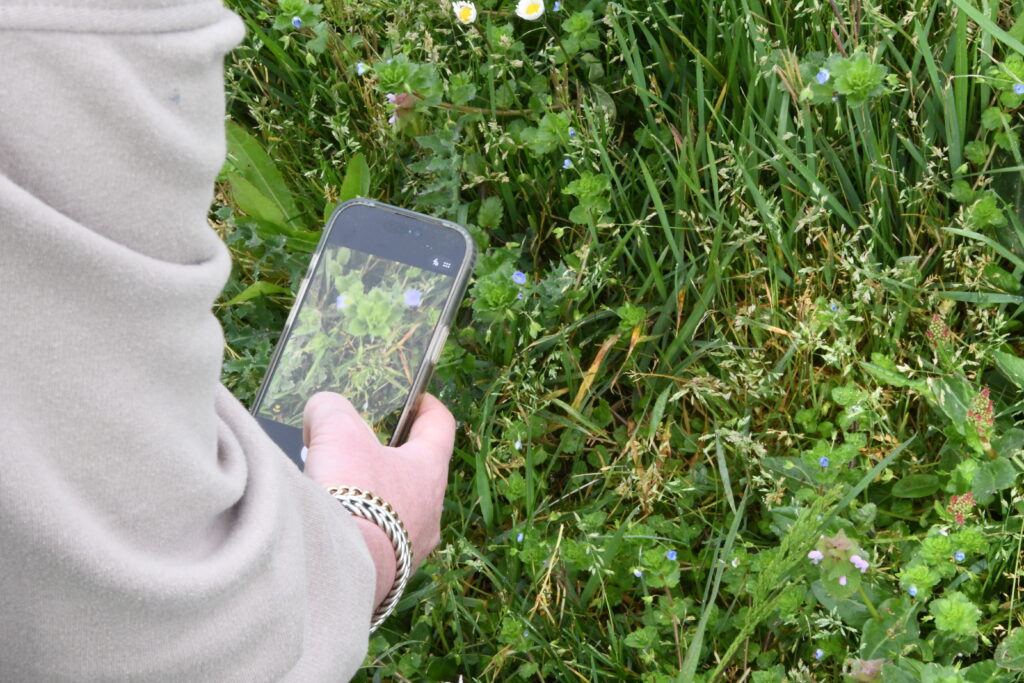
At places like Val de Foy, these signals are often the first clues the land gives about how a system should develop. Once you dive into the realms of existing plamts, you will discover that there are literally thousands. Determining them using plant determination apps like “Obsidentify” and “Plantnet”, and their plantfamilies, will help to reveal relevant information to you.
What Is a Plant Guild?
In permaculture, a plant guild is a group of plants that cooperate to support the health of the whole ecosystem.
Instead of planting single crops in isolation, guilds combine species that perform different functions.
A typical guild may include plants that:
fix nitrogen in the soil
attract pollinators
repel pests
provide ground cover
accumulate nutrients
produce food
The classic example is an apple tree guild.
Around a fruit tree you might plant:
comfrey to mine nutrients from deep soil
clover to fix nitrogen
garlic or chives to discourage pests
flowers such as yarrow or calendula to attract pollinators
low groundcovers such as strawberries to protect soil
Together they create a small ecosystem where each plant performs a job.
But before designing such systems, permaculture encourages us to observe what plants are already present.
And this is where signal plants enter the picture.
What Are Signal Plants?
Signal plants are species that naturally appear under specific soil conditions.
Because plants are extremely sensitive to soil chemistry, structure and moisture, certain species reliably grow where particular conditions exist.
Farmers and ecologists have used this knowledge for centuries.
Instead of analysing soil in a laboratory, you can often read the soil simply by looking at what grows there.
In permaculture design, signal plants help us understand what the land might need.
What Common Plants Tell Us About Soil
Here are a few examples often used in ecological agriculture.
Nettles (Urtica dioica)
If you see abundant nettles, the soil is usually:
rich in nitrogen
fertile
high in organic matter
In other words, nettles often grow where soil is already quite productive.
This can be an excellent place for nutrient-demanding crops such as squash, corn or fruit trees.
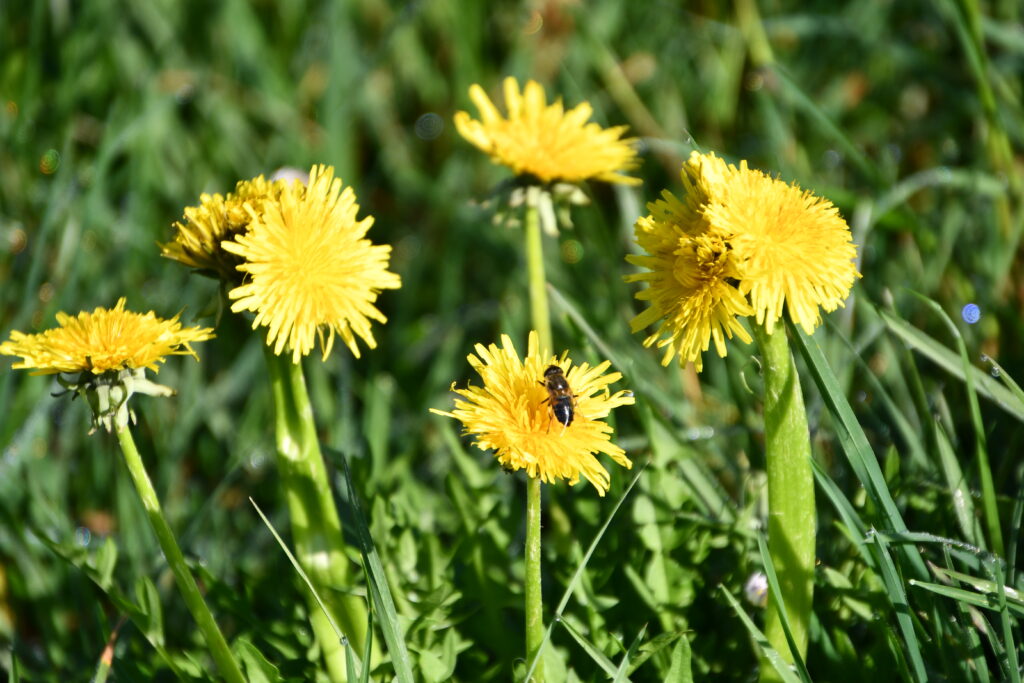
Dandelions (Taraxacum officinale)
Dandelions often appear in:
compacted soils
soils low in calcium
disturbed ground
But they also perform an important ecological service.
Their deep taproots break up compacted soil and bring minerals from deeper layers to the surface.
Rather than removing them immediately, permaculture sometimes allows them to improve soil structure naturally.
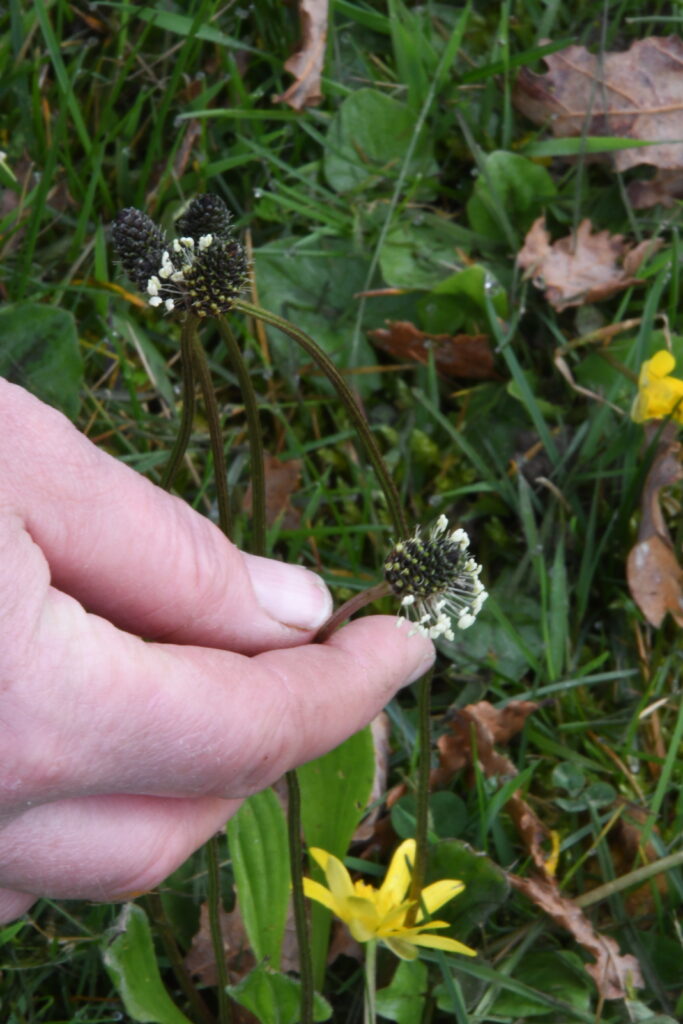
Plantain (Plantago major)
Plantain frequently grows where soil is:
compacted
heavily walked on
low in air circulation
Its strong roots help reopen soil structure.
Seeing plantain can indicate that soil aeration and organic matter may be needed.
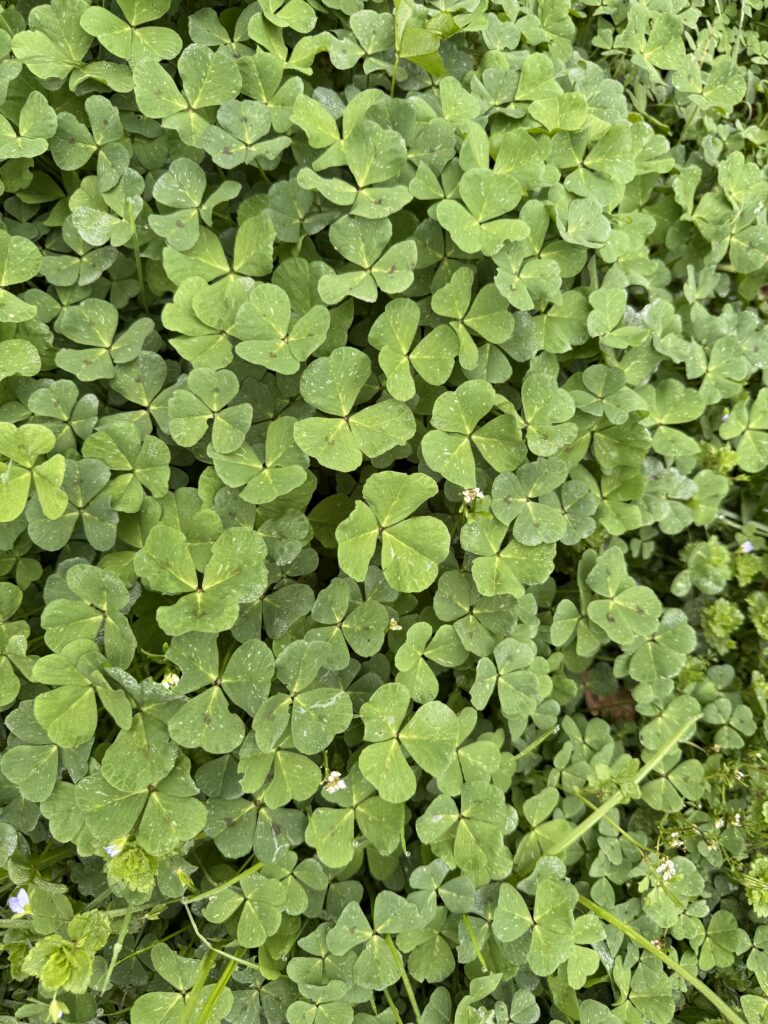
Clover
Clover is one of the most valuable signal plants.
When it appears naturally, it usually indicates soil that benefits from nitrogen fixation.
Clover partners with bacteria that capture nitrogen from the air and make it available to plants.
In permaculture guilds, clover is often intentionally introduced for this reason.
Rethinking Weeds
The word weed often carries a negative meaning: unwanted plants that should be removed.
But in permaculture, weeds are often viewed differently.
They are nature’s repair system.
When soil is damaged, compacted or lacking nutrients, certain plants appear to begin the healing process.
For example:
Deep-rooted weeds loosen compact soil
Fast-growing weeds protect bare ground from erosion
Nitrogen-fixing plants restore fertility
Instead of asking how do we eliminate weeds?, permaculture asks a more interesting question:
What problem are these plants trying to solve?
Using Weeds as Design Clues
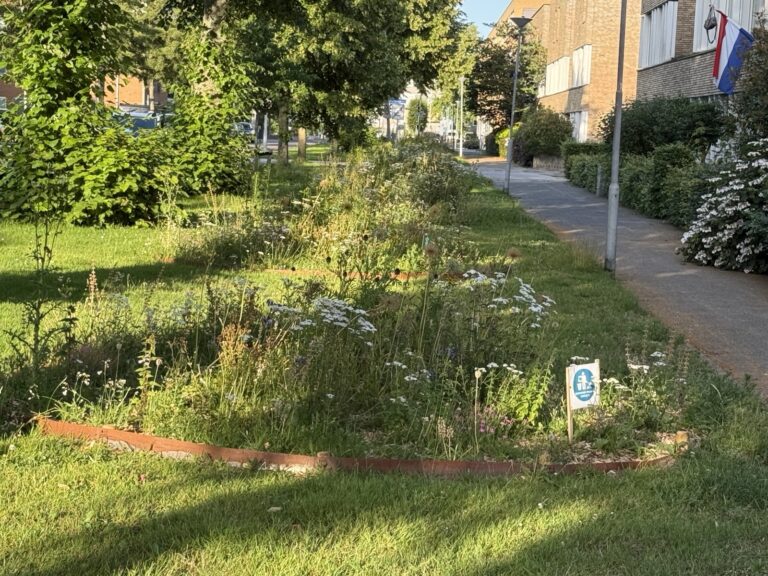
Imagine walking through a piece of land where certain plants dominate.
Each species offers hints about what may work in a future design.
For example:
If the land contains many nitrogen-loving plants like nettles, the soil may already support heavy feeders such as pumpkins or fruit trees.
If deep-rooted weeds dominate, they may be indicating compact soil that benefits from perennial plants capable of improving soil structure.
If clover and legumes appear naturally, the land may already support systems that rely on nitrogen-fixing plant guilds.
In other words, the existing vegetation is not random.
It is the land telling its story.
Designing Guilds That Follow Nature
A common mistake in permaculture is designing systems purely from books.
Plant guilds work best when they follow what the land already suggests.
If certain plants appear naturally, they can often become part of the design itself.
For example:
A patch rich in clover may evolve into a fruit tree guild.
A field with many deep-rooted weeds may become ideal for perennial vegetables or young trees that benefit from improved soil structure.
Instead of fighting the existing vegetation, permaculture often collaborates with it.
Listening to the Landscape
The deeper lesson behind plant guilds and signal plants is simple.
Landscapes are constantly communicating.
Every plant species is a small indicator of soil health, moisture, nutrient levels and ecological balance.
Learning to read those signals turns gardening into something closer to ecological conversation.
At Val de Foy, many design ideas begin with these observations.
Before planting a single tree or garden bed, the land itself often suggests what might work best.
In that sense, weeds are not enemies of the garden.
They are often the first teachers of permaculture design. 🌱