At this moment we don't have any surplus produce from our land to share. Please stay up to date with our workshops, consults and blogs in the meantime. DismissSkip to content
Plant trees & rewild the planet!
Forest edges are the most robust, nutritious, biodiverse systems on land. Forests manage fresh water availability, reduce CO2, manage their own healthy balance and cool the planet. Yet humans destroy 41 million trees every day. Let's rewild barren land, swap monoculture farming for mixed systems, stop the use of pesticides and plant one tree at a time.
Forest edges are the most robust, nutritious, biodiverse systems on land. Forests manage fresh water availability, reduce CO2, manage their own healthy balance and cool the planet. Yet humans destroy 41 million trees every day. Let's rewild barren land, swap monoculture farming for mixed systems, stop the use of pesticides and plant one tree at a time.
When people first hear the word permaculture, they often imagine a lush food forest where everything grows effortlessly.
Reality looks different when you are just starting out. In fact, you need to start somwhere if you want to solve what didn’t go right. With permaculture we want to get rid of ‘green desserts’, what grass lawns basically are, or acres of monoculture, or gardens full of invasive species, or plants grown using pesticides.
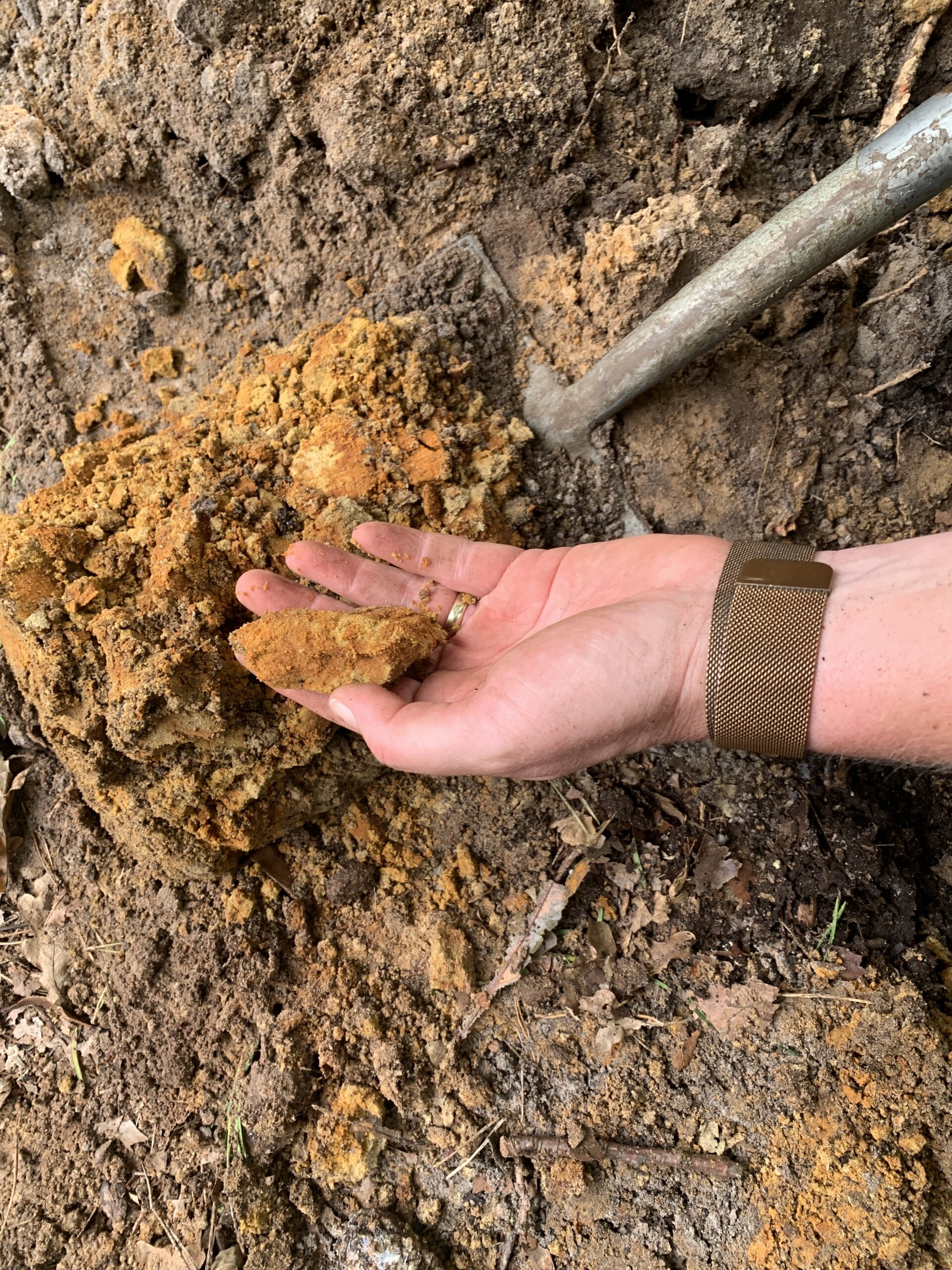
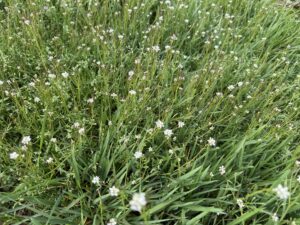
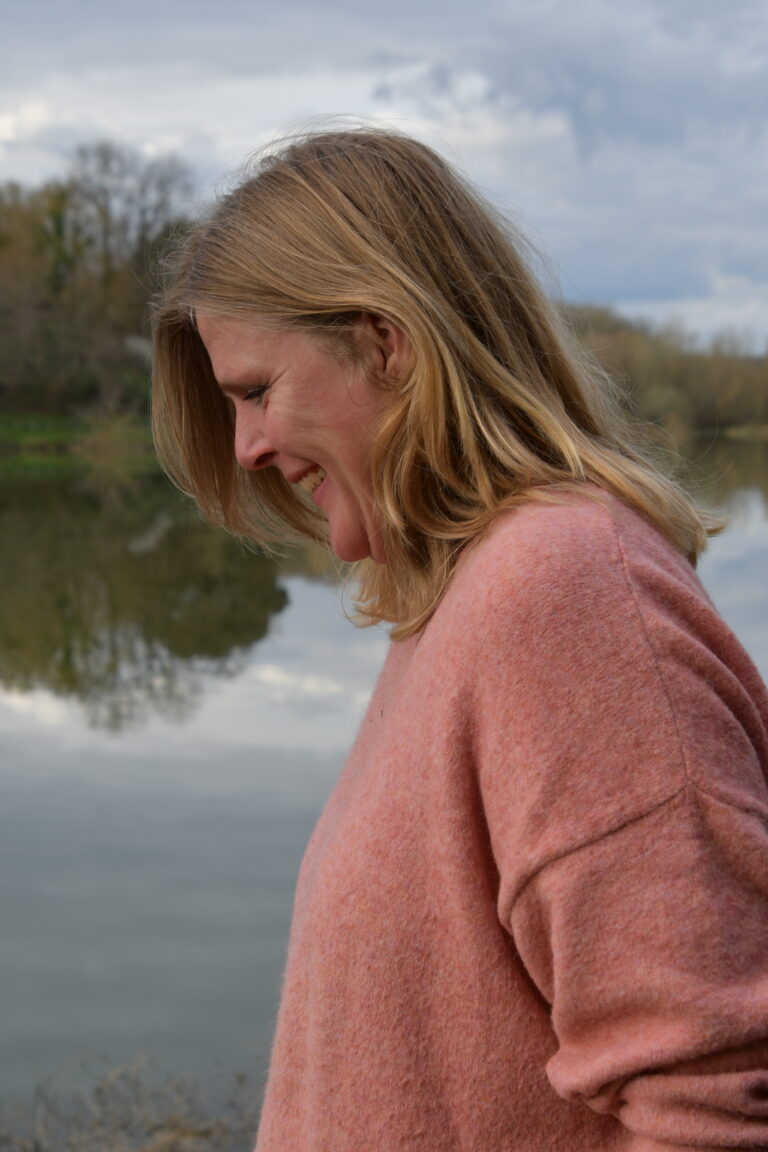
When I first walked the land that would later become Val de Foy, the soil was compacted clay, grass grew unevenly, and the wind moved freely across some areas of the field. Nothing about it resembled the productive permaculture farm that I ambition. But the basis was good, the previous owners were ecological gardeners, and what they did right was leave herby wild grass patches, which are amazing for wild bees and insects. That was one of the things that grasped me: the amounts of wild butterflies, and all sorts of bees flying around in perfect harmony. Something that I hadn’t experienced for a long time in the Netherlands.
One thing for sure, permaculture doesn’t just arrive here as a finished design. It all began with curiosity about what this land could offer even more.
Slowly, the land will be teaching me its rules. Every season, new treasures or issues are revealed. As of November ’25, I am looking forward to its lessons.
These lessons will align closely with the core principles of permaculture design, which guide how regenerative landscapes are created. And this is what I aim to share with you. You have to start somewhere, and in each step there are crucial learnings. That’s why I am not waiting for my land to have transformed in a permaculture paradise, but invite people in it’s process. Because the people that come here to be taught have to start from some point too.
Here are some of the lessons that I’ve learned:
1. Observe Before You Act
One of the most important permaculture principles is also the hardest for many people: do nothing at first.
Instead of planting immediately, I spent a long time simply observing.
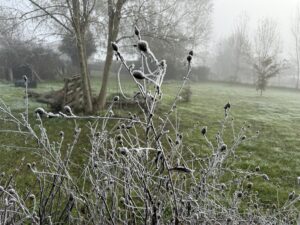
Where does water collect after a storm? Which part of the land dries first in summer? Where does frost settle in spring mornings?
One small hollow on the property kept staying moist long after rainfall. My first instinct was to drain it.
But observation suggested another possibility: what if this natural moisture could support herbs and plants that love damp soil? I added some salix trees (willows), and mint herbes, rhubarb and some swamp plants.
Nature had already designed the perfect place for them.
2. Catch and Store Energy
Every landscape receives energy continuously: sunlight, rainfall, wind, organic matter.
The question is whether we lose it or store it.
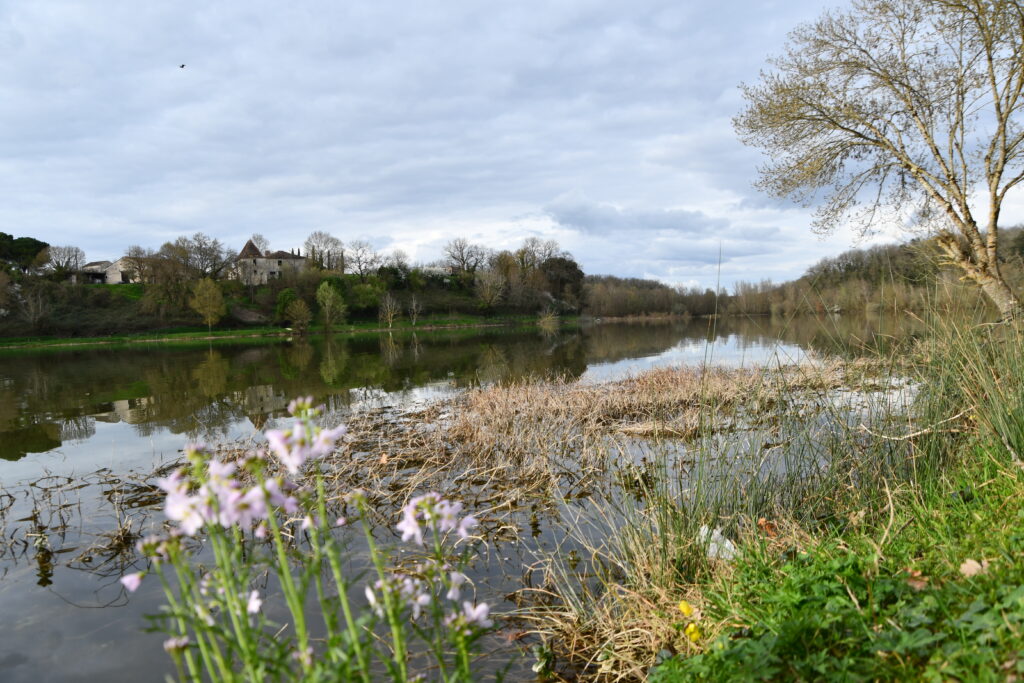
During heavy rains, water can rush down the slope of Val de Foy, carrying small amounts of soil with it. Over years this can slowly degrade land. Behing the land is also a stream that only appears with heavy rain. It has created a deep crevice in the forest which invites plants likes ferns. But we dont want this crevice to grow larger over time. Instead it would be usefull to store some of the water that runs towards it, by creating swales. Swales can also be detrimental to forest systems, so you need to be careful with where you put them.
In one of our upcoming workshops we will be making a pond on the land. By introducing a pond, rainwater can settle in a reservoir, providing a new ecosystem for waterbased plants and attract new forms of life.
The ecosystem that can flourish around the pond will manage water better, reducing the chance plants die of drought, and the landscape will gradually become more resilient.
3. Always Create a Yield
Permaculture is not just philosophy. It must produce something useful.
That yield might be vegetables, fruit, eggs, herbs, firewood or even knowledge.
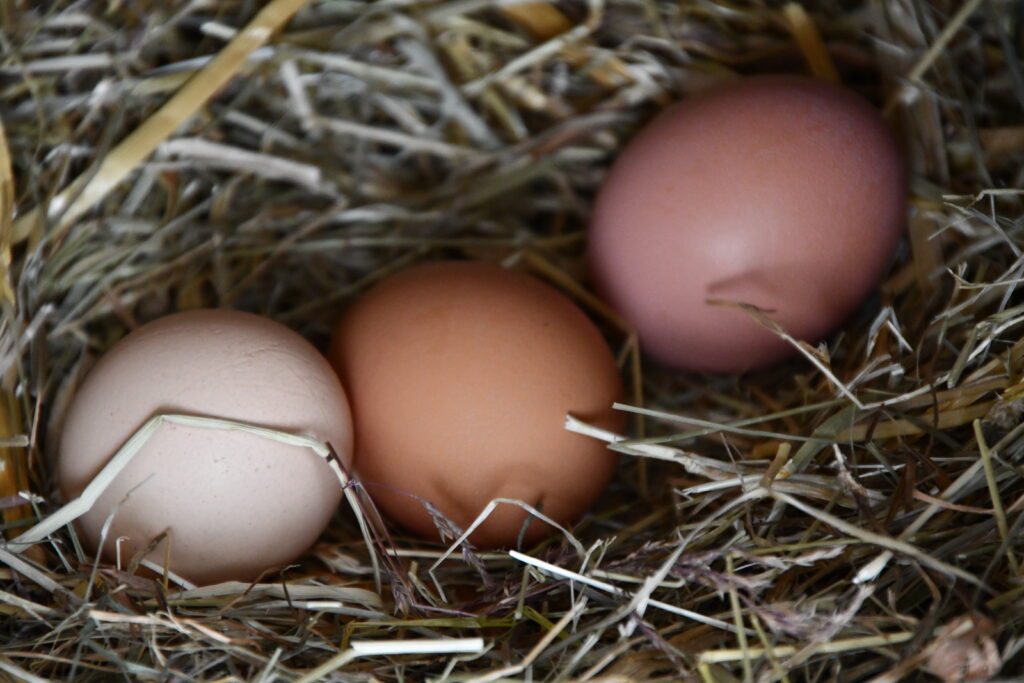
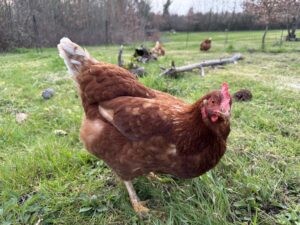
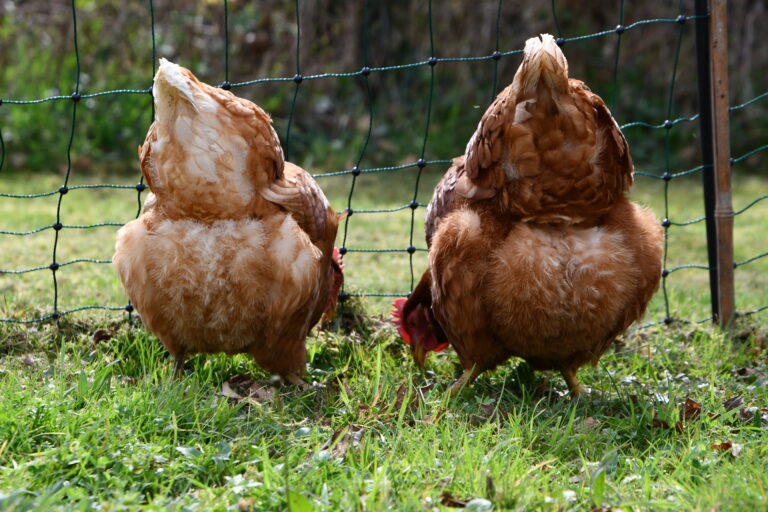
At Val de Foy, the first yields were still small: herbs, a few baskets of vegetables, eggs from a small flock of chickens, a couple of baskets of fruit.
But yield also includes something less visible: a landscape slowly becoming healthier and more productive every year. And that is what we are seeding now, little steps to make the land more and more productive. Every year we expect to be amazed with the growth in produce.
4. Listen to Feedback from the Land
Nature gives feedback constantly.
One year before I bought Val de Foy I started a Food Forest project on a piece of land where grasses were dominant. I wanted to see results in the first year, and expected to be able to plant vegetables, whilst I couldn’t be there daily. When I briefly struggled with illness, the vegetables never got a chance and were completely swamped by the grasses. I was taught: grasses dominate, they need to be replaced and conquered before you can grow vegetables, never expect to be up and running in a year, preparing the land for a more biodiverse produce takes time, grasses don’t like being removed, sometimes you need to put aside what you were taught, and use methods that may disrupt the soil, like ploughing. But once you have conquered the grasses, the soils will restore and you can use the land in different ways.
After two or three seasons of struggling, progression will be made.
The land had been telling me this all along.
5. Use What the Land Already Provides
Modern agriculture often imports fertility in the form of synthetic fertilisers.
Permaculture works differently.
At Val de Foy, fertility largely comes from the land itself:
fallen leaves
grass clippings
pruned branches
chicken bedding
compost
These materials return nutrients to the soil and feed the microorganisms that make healthy ecosystems possible.
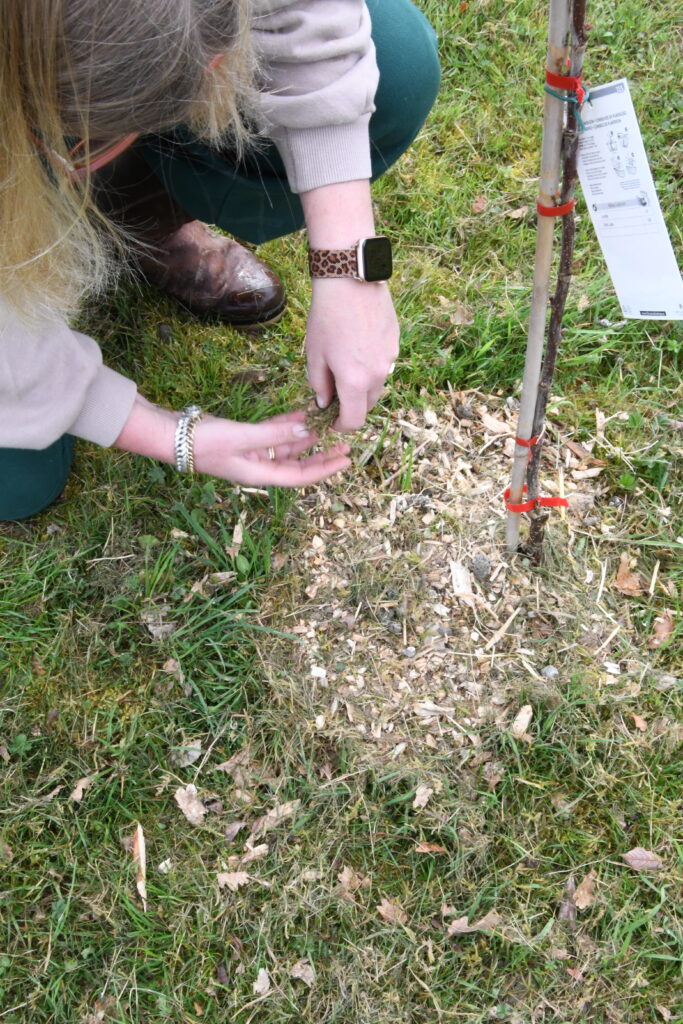
Nothing needs to be wasted. By giving back organic waste to the land, you feed it and build up the soil. Where you leave your organic waste, and how you offer it to the land matters. This is something that we will teach you at Val de Foy during one of our workshops.
6. Waste Is Just a Resource in the Wrong Place
One of my favourite permaculture ideas is simple: there is no waste in nature.
In a forest, every fallen branch becomes food for fungi and insects. Eventually it becomes soil again.
The same logic applies here.
Chicken bedding becomes compost. Pruned branches become mulch or wildlife habitat. Kitchen scraps feed the chickens. Materials are building blocks for something else.
Everything cycles back into the system. Before you throw something away, or make your waste somebody else’s problem, you think about how to use or re-use it. Nowadays, a take other people’s ‘waste’ and bring it to my land, because I see it as usefull and free resource material.
7. Start with Big Patterns
Before designing individual garden beds or planting specific crops, it helps to understand large patterns.
These include:
sun exposure
slope direction
wind movement
water flow
At Val de Foy, the southern side warms early in spring, while shaded areas remain cooler and moist.
Only after recognising these patterns does it make sense to choose plants. At Val de Foy we are slowly expanding on the diversity of plants each year.
8. Connect Elements Instead of Separating Them
Industrial agriculture tends to separate systems: animals in one place, crops in another, orchards somewhere else.
Permaculture tries to connect them.
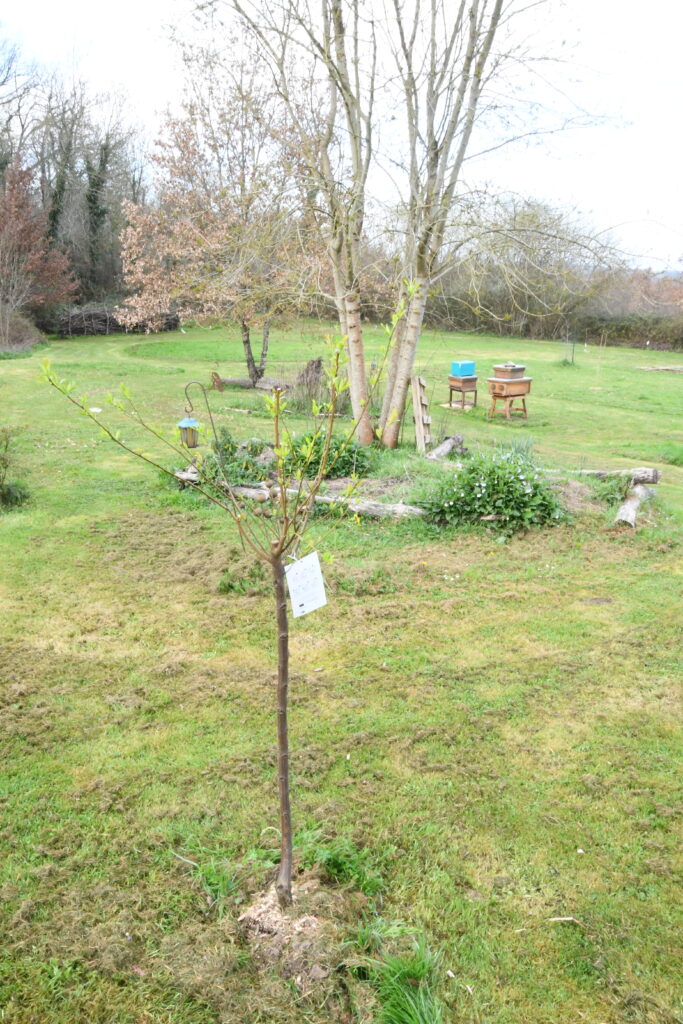
The chickens we keep at Val de Foy are moved periodically through the orchard areas. They scratch the soil, eat insects and fertilise the ground naturally.
The trees benefit from fewer pests, and the chickens gain shade and food.
Everyone wins.
9. Small and Slow Solutions Work Best
It can be tempting to redesign an entire property at once.
Permaculture suggests the opposite.
Small experiments are safer and more informative.
A single successful garden bed teaches more than a failed hectare.
At Val de Foy, many changes begin as small trials. Of course we do this from the basis of knowledge, but still nature tends to give us feedback about things we hadn’t thought of, due to all its complexities. If they succeed, they slowly expand.
10. Diversity Creates Resilience
Nature rarely grows just one plant species in isolation.
Diversity protects ecosystems from disease, pests and climate fluctuations.
In one section of the land, an orchard row may include:
fruit trees
herbs
flowering plants
berries
nitrogen-fixing shrubs
If one crop struggles, others still produce. Loss is part of the system. This teaches us something about what the system needed or didn’t need. Loss sometimes also means sharing with another living species in the system. In permaculture we share with other species, and should accept a loss of around 35%.
The system in itself becomes stronger than any individual element.
The Real Lesson of Permaculture
Permaculture is sometimes described as a farming method.
But standing on the land of Val de Foy, it feels more like a conversation with the land.
Every season adds new information. Every mistake becomes a design improvement. Every year the soil becomes a little richer.
And slowly, what once looked like ordinary fields begins to transform into something far more alive.