At this moment we don't have any surplus produce from our land to share. Please stay up to date with our workshops, consults and blogs in the meantime. DismissSkip to content
Plant trees & rewild the planet!
Forest edges are the most robust, nutritious, biodiverse systems on land. Forests manage fresh water availability, reduce CO2, manage their own healthy balance and cool the planet. Yet humans destroy 41 million trees every day. Let's rewild barren land, swap monoculture farming for mixed systems, stop the use of pesticides and plant one tree at a time.
Forest edges are the most robust, nutritious, biodiverse systems on land. Forests manage fresh water availability, reduce CO2, manage their own healthy balance and cool the planet. Yet humans destroy 41 million trees every day. Let's rewild barren land, swap monoculture farming for mixed systems, stop the use of pesticides and plant one tree at a time.
One of the most exciting ideas in permaculture design is the food forest.
Instead of growing food in rows or isolated beds, a food forest mimics the structure of a natural woodland. Different plants grow at different heights, forming layers that cooperate with each other. Sunlight is used efficiently, soil remains protected, and biodiversity increases.
This layered approach is one of the reasons permaculture systems can be both productive and resilient.
When people first imagine a food forest, they often think of fruit- and nut trees. But trees are only one part of the picture. In a healthy system, multiple plant layers interact to create a living ecosystem.
At Val de Foy, thinking in layers has become one of the most helpful ways to design a landscape that produces food while supporting soil health and wildlife.
Why Layering Works in Nature
In a natural forest, plants do not compete in a single flat space. Instead, they occupy different vertical niches.
Tall trees capture the strongest sunlight. Smaller trees grow beneath them. Shrubs fill the middle spaces. Herbs and groundcovers protect the soil, while roots explore underground layers.
This structure allows many species to share the same space without competing directly.
Permaculture designers apply this same principle intentionally. By stacking plants vertically, the system becomes more efficient and diverse than a traditional garden.
The classic food forest model contains seven layers.
1. The Canopy Layer (Tall Trees)
The canopy layer forms the highest part of the system. These are the tallest trees that capture the most sunlight.
Examples might include:
walnut
chestnut
large apple varieties
oak (in mixed ecological systems)
These trees shape the microclimate beneath them. They moderate wind, create shade patterns, and influence moisture levels in the soil.
Because they grow slowly and live long, canopy trees are often considered the structural backbone of a food forest.
At Val de Foy, thinking carefully about the future canopy is essential because these trees will influence the land for decades.
2. The Low Tree Layer (Dwarf or Small Fruit Trees)
Beneath the canopy comes the low tree layer.
These are smaller fruit trees that benefit from some protection but still receive plenty of light.
Common examples include:
plum
peach
smaller apple varieties
quince
This layer often produces a large portion of the harvest in a food forest because fruit trees thrive in diverse ecological systems.
Designing spacing carefully ensures these trees receive enough sunlight without competing heavily with larger canopy species.
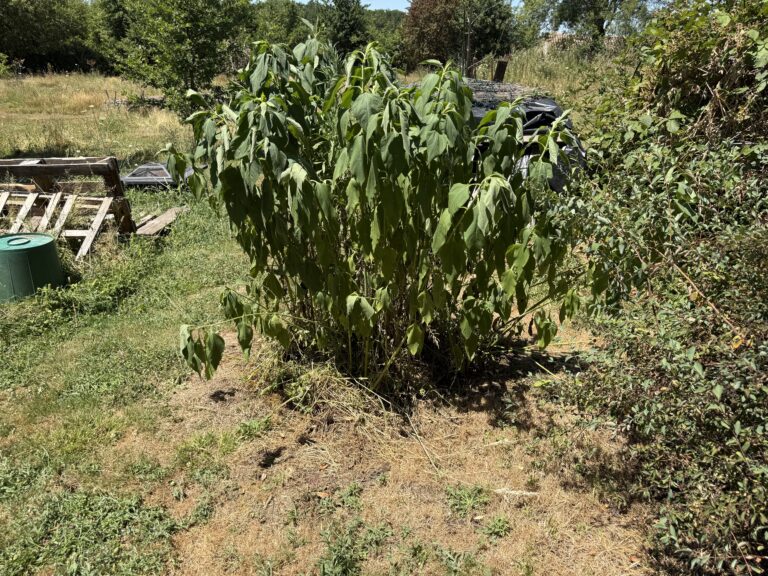
3. The Shrub Layer
The shrub layer fills the middle height of the system.
This layer is highly productive and often includes berry plants such as:
currants
gooseberries
raspberries
blueberries
Shrubs are excellent for permaculture systems because they produce reliable harvests while also supporting wildlife.
Many berry plants also attract pollinators early in the season, helping nearby fruit trees produce better yields.
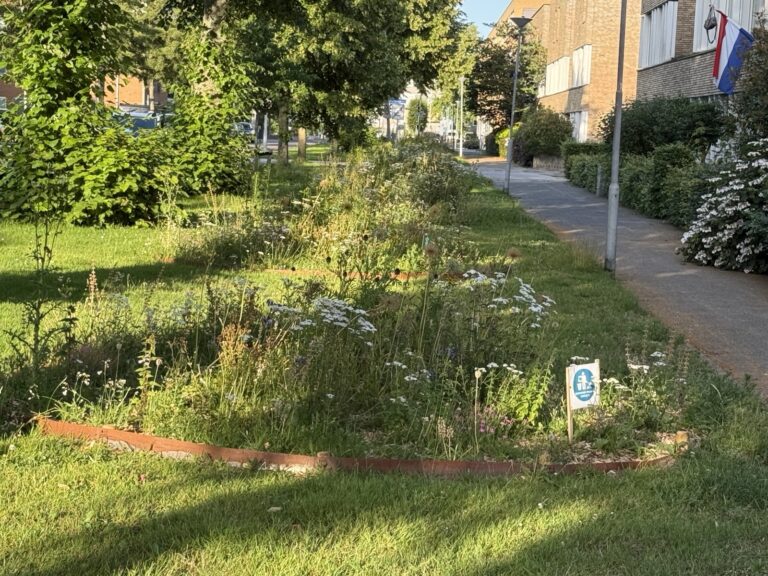
4. The Herbaceous Layer
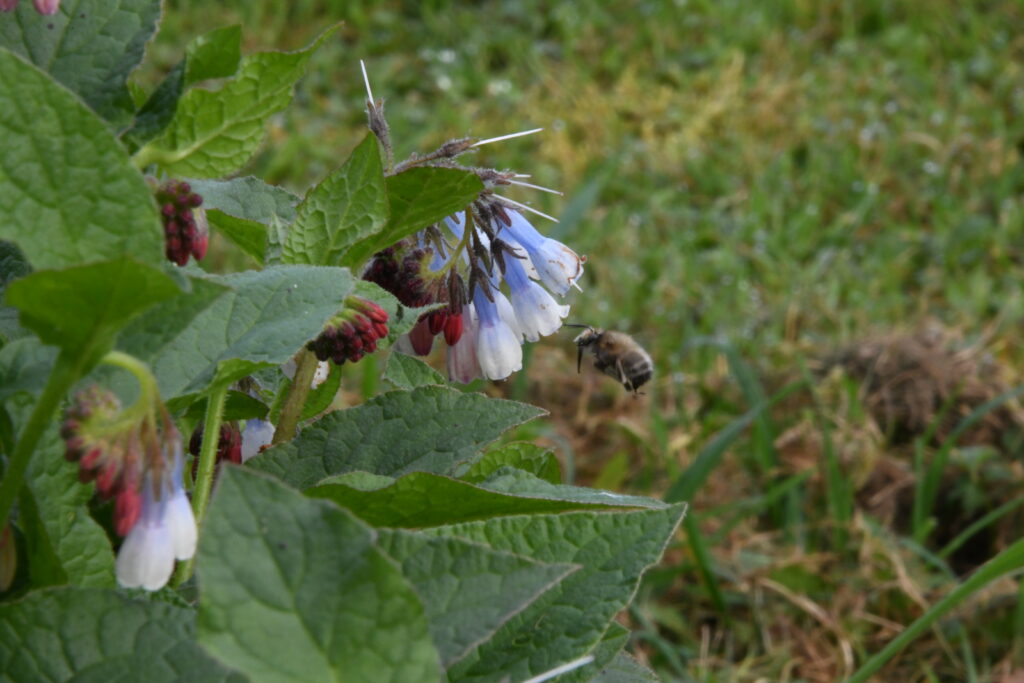
The herbaceous layer includes perennial vegetables, herbs and flowering plants.
This layer performs several ecological roles:
attracting beneficial insects
improving soil fertility
producing culinary or medicinal herbs
Examples include:
chives
mint
yarrow
lemon balm
perennial vegetables
Because these plants grow quickly and regenerate easily, they help maintain continuous plant cover.
In permaculture systems, this layer is often where biodiversity really explodes.
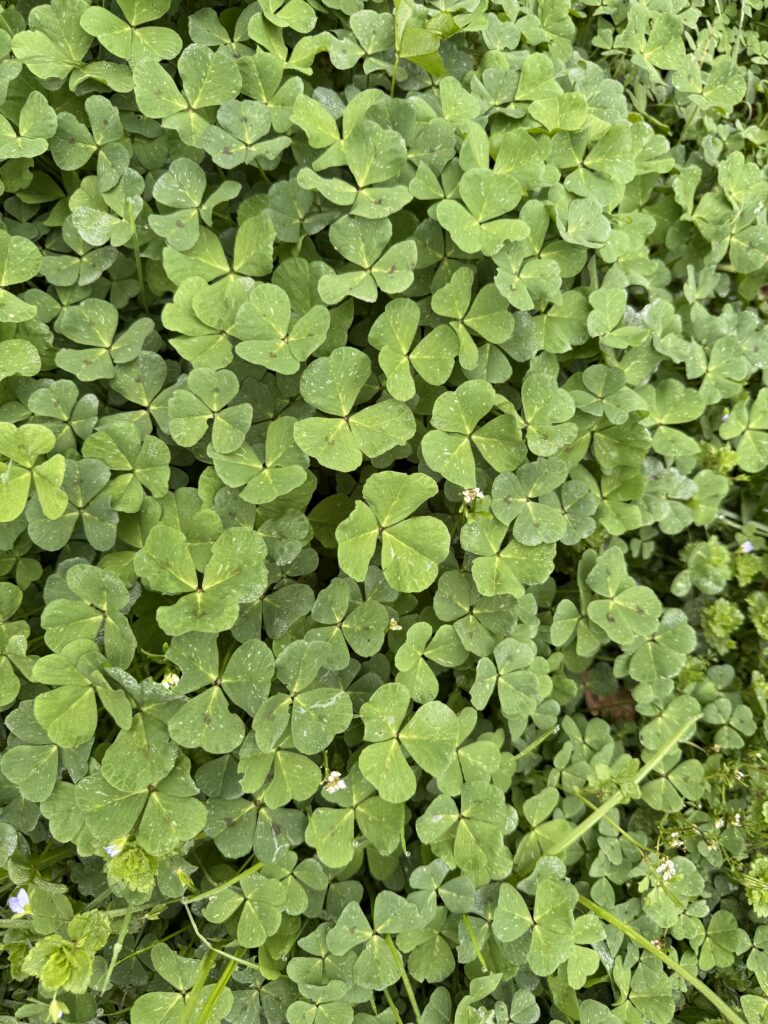
5. The Groundcover Layer
Bare soil rarely exists in nature. Groundcover plants protect the soil from erosion, reduce moisture loss and suppress aggressive weeds.
Typical groundcovers include:
strawberries
creeping thyme
clover
In addition to protecting soil, some groundcovers also produce food.
This layer is especially important for soil regeneration, because living roots feed microorganisms throughout the year.
6. The Root Layer
The root layer includes plants that produce edible or useful underground parts.
Examples include:
garlic
onions
Jerusalem artichoke
various root vegetables
These plants occupy underground space without interfering heavily with other layers.
Their presence also improves soil structure by creating channels that allow air, water and microorganisms to move through the soil more easily.
7. The Vertical or Climbing Layer
The final layer consists of climbing plants that use other plants or structures for support.
Examples include:
grapes
kiwi
climbing beans
hops
These plants allow food production in spaces that might otherwise remain unused.
When integrated carefully, climbing plants add another productive dimension to the ecosystem without requiring additional ground area.
Designing a Food Forest Is More Than Planting Trees
Although the concept sounds simple, designing a food forest requires thoughtful planning.
Sunlight patterns, water movement, soil type and local climate all influence which plants thrive together.
Permaculture design encourages observing these patterns before planting. The goal is not to force a design onto the landscape but to create a system that fits naturally with it.
Over time, the layered structure becomes increasingly self-regulating. Beneficial insects arrive, soil fertility increases, and plants begin supporting each other in complex ways.
Trees take years to mature, and ecological relationships evolve gradually. But once established, these systems can remain productive for decades with relatively little intervention.
For projects like Val de Foy, this long-term perspective is essential.
The food forest is not just about growing fruit. It is about creating a landscape where soil, plants, insects and people participate in a shared ecosystem.
And perhaps the most remarkable part is this:
When the layers are working together, the landscape begins to behave less like a garden and more like a living forest that happens to feed people. 🌱