At this moment we don't have any surplus produce from our land to share. Please stay up to date with our workshops, consults and blogs in the meantime. DismissSkip to content
Plant trees & rewild the planet!
Forest edges are the most robust, nutritious, biodiverse systems on land. Forests manage fresh water availability, reduce CO2, manage their own healthy balance and cool the planet. Yet humans destroy 41 million trees every day. Let's rewild barren land, swap monoculture farming for mixed systems, stop the use of pesticides and plant one tree at a time.
Forest edges are the most robust, nutritious, biodiverse systems on land. Forests manage fresh water availability, reduce CO2, manage their own healthy balance and cool the planet. Yet humans destroy 41 million trees every day. Let's rewild barren land, swap monoculture farming for mixed systems, stop the use of pesticides and plant one tree at a time.
When I first began exploring the land that I had bought, I brought notebooks, ideas and plans.
What one should realise is that the most important designer is already there: the landscape itself.
Permaculture design begins by understanding the natural elements that shape every ecosystem — sun, wind, water, soil and time. These forces quietly determine what will thrive and what will struggle.
Being able to read them changes everything about how you approach the land. If you read the signs, you will know what thrives where.
The Sun: Nature’s Primary Energy Source
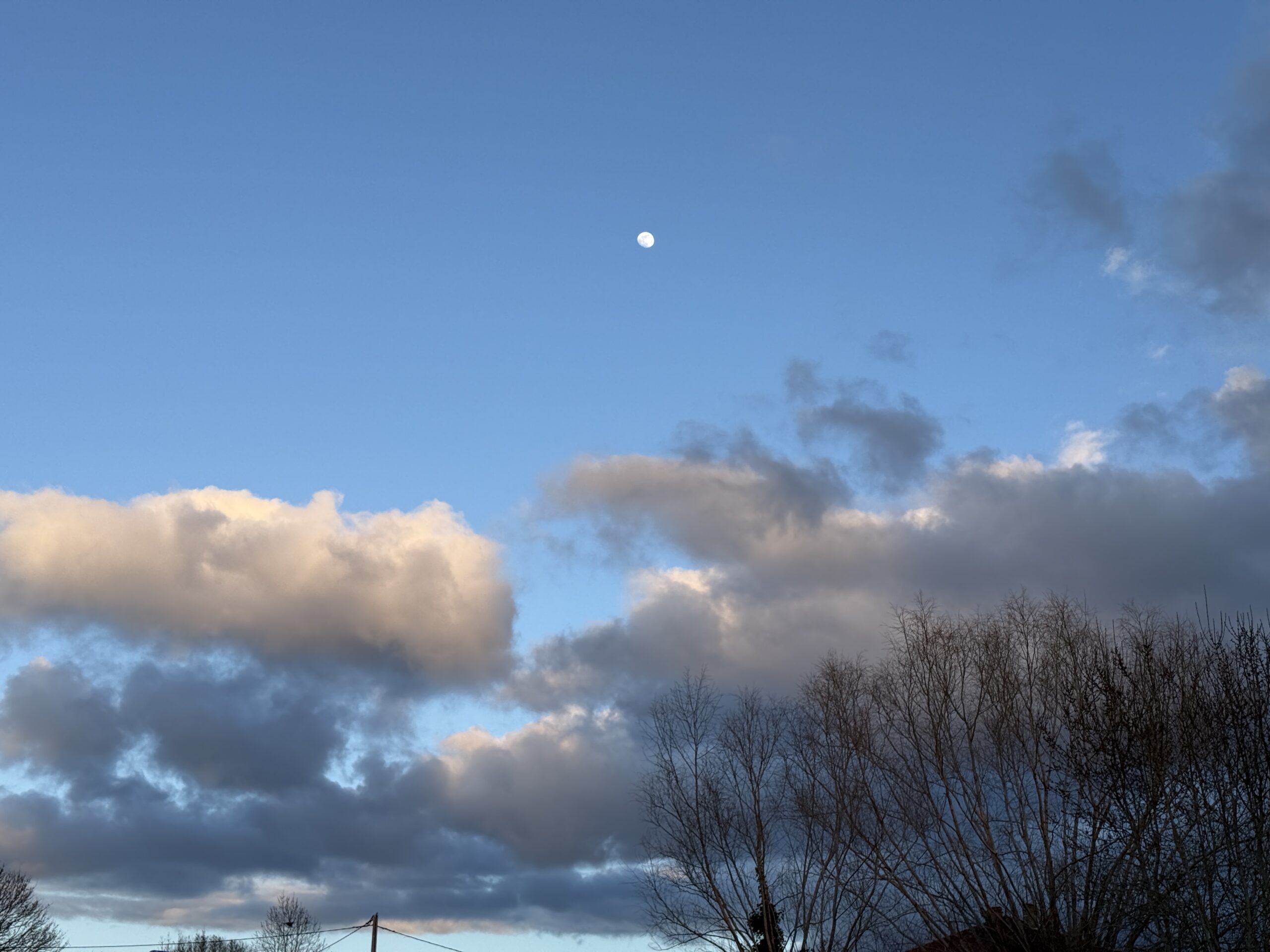
The sun is the engine of every ecosystem.
In permaculture design, understanding sun exposure is one of the first steps. Some areas receive long hours of direct sunlight, while others remain shaded for much of the day.
At Val de Foy, the slopes facing Southward warm quickly in spring. These areas are ideal for heat-loving plants such as tomatoes, peppers and Mediterranean herbs.
Meanwhile, the shaded edge of a small tree line provides a cool refuge where leafy greens remain productive even during the hottest part of summer.
The sun creates invisible zones across the land. Permaculture simply learns to follow them.
Wind: The Invisible Architect
Wind can shape a landscape as strongly as water.
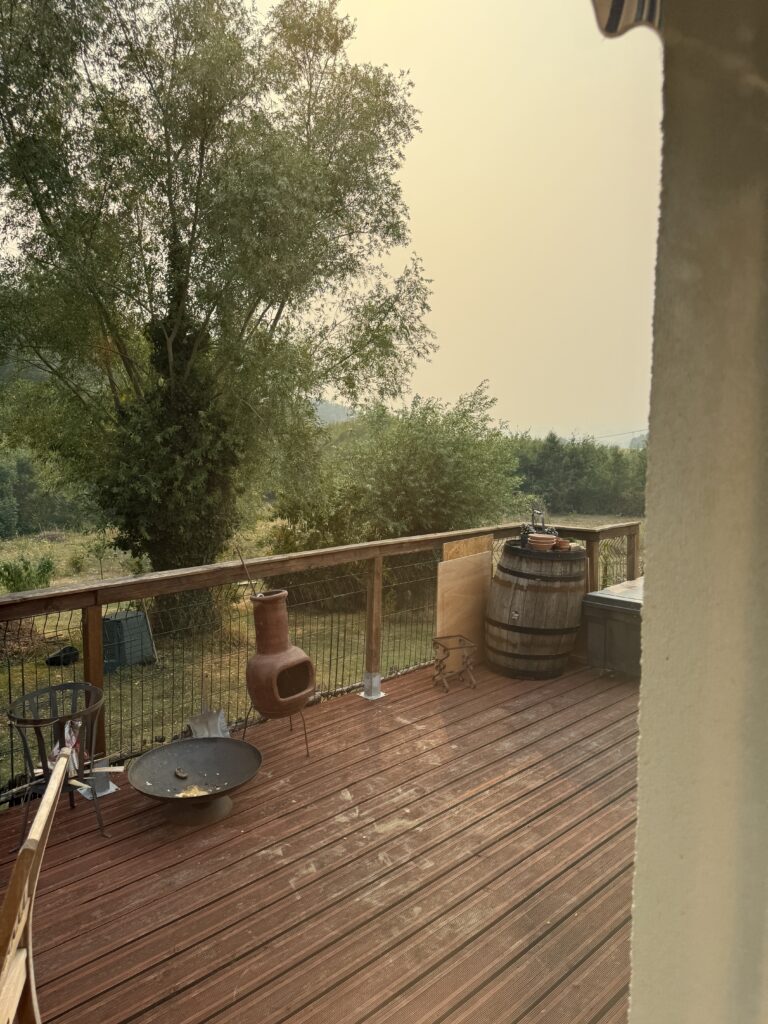
When I first walked the property, the western edge felt guarded. Strong winds would slow down in the forest edge, but could also take weak trees down during storms. The Northern side also has shrubs and trees, but still in a pioneers phase. Some gusts of wind can rush up the slope.
For plants, this can mean damaged stems, increased evaporation and slower growth.
Instead of building artificial barriers, permaculture uses living windbreaks. At Val de Foy this means gradually planting rows of mixed species:
small trees
shrubs
flowering plants
tall grasses
Over time, these layers slow the wind while also providing habitat for birds and insects.
A problem becomes an opportunity.
Water: The Most Powerful Designer
If there is one element that truly shapes landscapes, it is water.
After the first heavy rains, I noticed a small channel forming as water collected on my roof was channeled to a pipe, that let the water flow downhill. This is the land revealing its natural drainage pattern.
In conventional agriculture, these flows might be redirected into drainage systems.
Permaculture takes the opposite approach: slow the water, spread the water, and let it soak into the soil.
Shallow swales along contour lines gently interrupt the flow. Instead of rushing away, rainwater now sinks into the ground and nourishes the soil.
This simple intervention transforms drought-prone land into a natural reservoir.
Soil: A Living Ecosystem
Soil is often treated as an inert material, something plants simply grow in.
In reality, soil is a living ecosystem filled with microorganisms, fungi, nematodes and insects that make plant life possible.
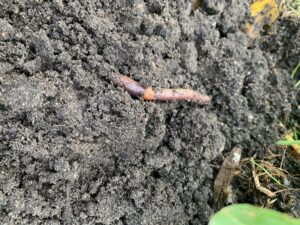
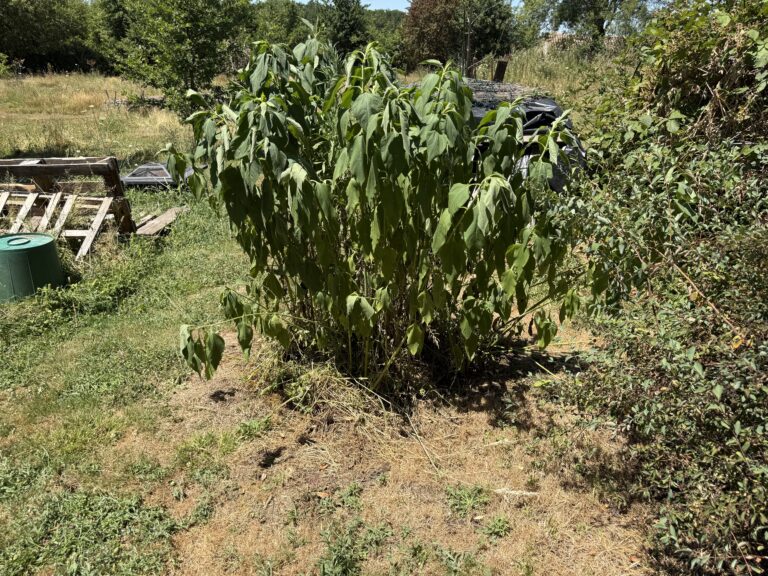
Though Val de Foy is mostly clay land, there is a lot if worm activity, and there are various small mammals that make tunnels underground, providing air and drainage. There is hardly any humus though, and the clay is either soggy in the wet season and hard as concrete in the dry season.
With compost, mulch and plant diversity, at Val de Foy, we want to slowly build up the soil. The basis is already there, we just want to aid it to become looser, living and rich in nutritions.
Earthworms already working for us. In some areas it is visible that fungi and mushrooms are thriving. Fungal networks will begin to appear under mulch layers waking up the land.
Microclimates: Many Climates on One Piece of Land
Even small landscapes contain multiple microclimates.
A stone wall that absorbs sunlight during the day can release warmth at night. A cluster of trees can create shade and humidity.
At Val de Foy, a warm pocket near a side wall will support grapes and kiwi’s. A cooler shaded corner will produce abundant leafy greens.
Recognising these microclimates allows permaculture designers to match plants with their ideal environment.
Nature has already prepared the niches.
The Element Most People Forget: Time
Perhaps the most important element in permaculture design is time.
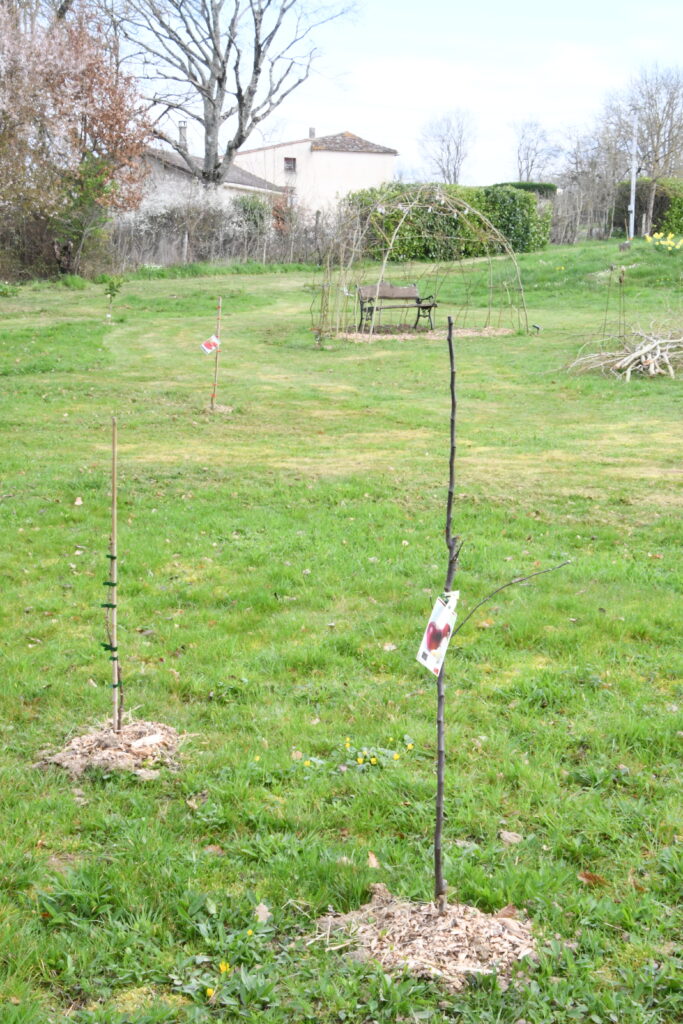
Trees planted today may only reach maturity in twenty or thirty years. Soil improvement happens gradually.
Permaculture encourages patience.
Rather than forcing the land into immediate productivity, we design systems that grow stronger year after year.
Standing on the land at Val de Foy today, I know that much of what is planted now will truly flourish long after the first designs are drawn.
And that is exactly the point. Val de Foy is a place passed on to generations of species to come. Who I want to thrive and be well.