Modern agriculture has achieved extraordinary productivity, without a doubt. But it also came with major side-effects.
The sought after efficient productivity of land, brought serious challenges: soil degradation, biodiversity loss and fragile food systems dependent on fossil fuels, for example because of transport of cattle fodder and artificial fertilisers from across the world, etc.. Also intensive farming created problems like the nitrogen crisis in the Netherlands and some other parts of Europe.
Alternative approaches such as permaculture, agroforestry and syntropic forestry offer a different path.
Agroforestry: Farming With Trees
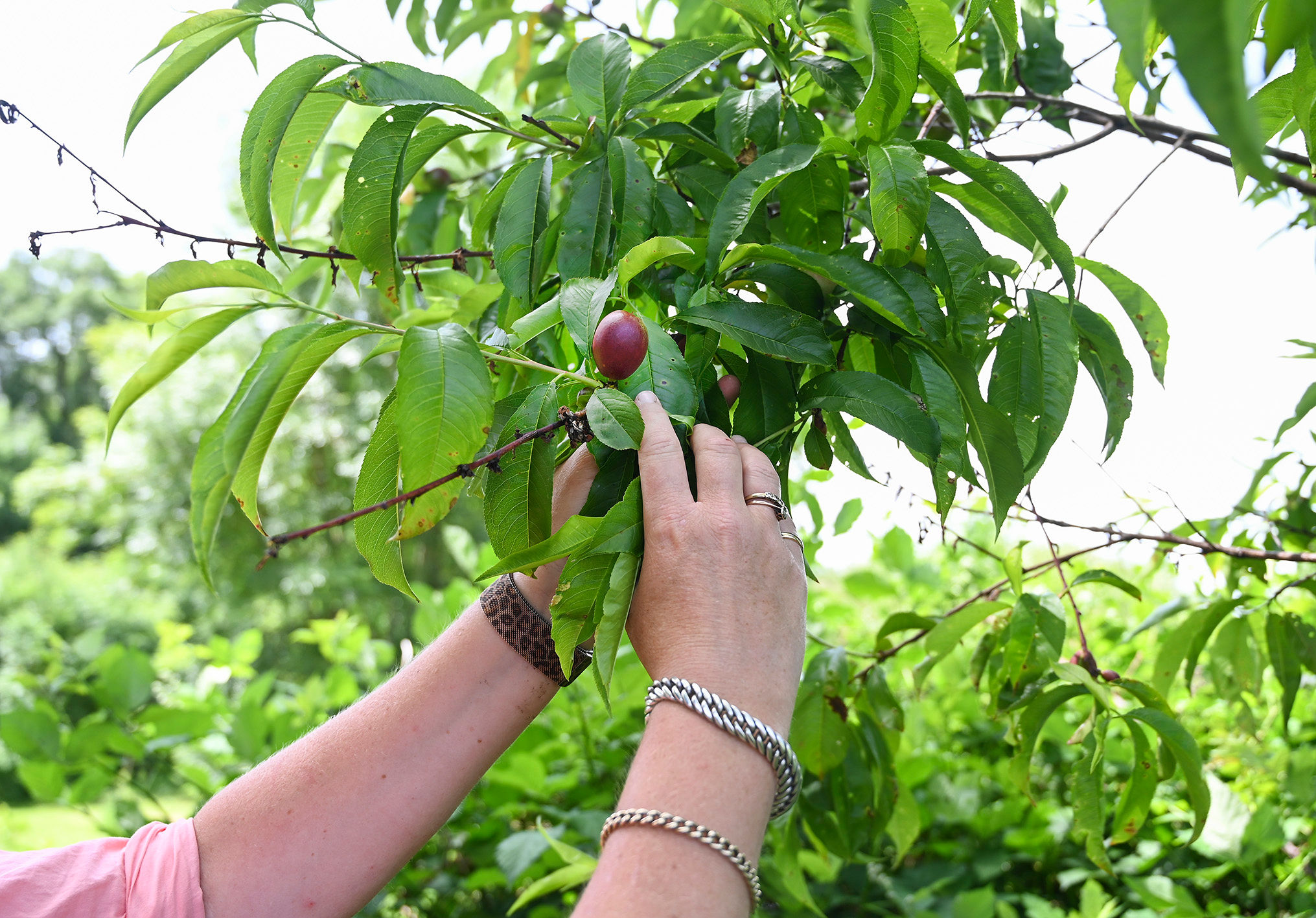
Agroforestry integrates trees directly into agricultural systems.
Trees stabilise soil, store carbon and create beneficial microclimates that improve crop resilience.
They also produce valuable yields such as fruit, nuts and timber.
Syntropic Forestry: Farming Like a Forest
Syntropic agriculture takes inspiration from natural forest succession.
Different plant species grow together in carefully designed layers that mimic natural ecosystems.
Instead of exhausting soil fertility, these systems continuously regenerate it.
Permaculture: The Design Framework
Permaculture provides the design philosophy connecting these methods.
It focuses on diversity, resilience and long-term sustainability.
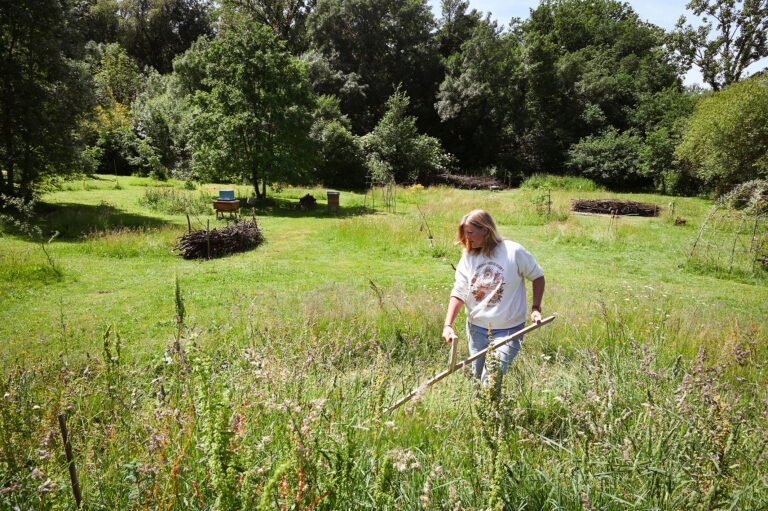
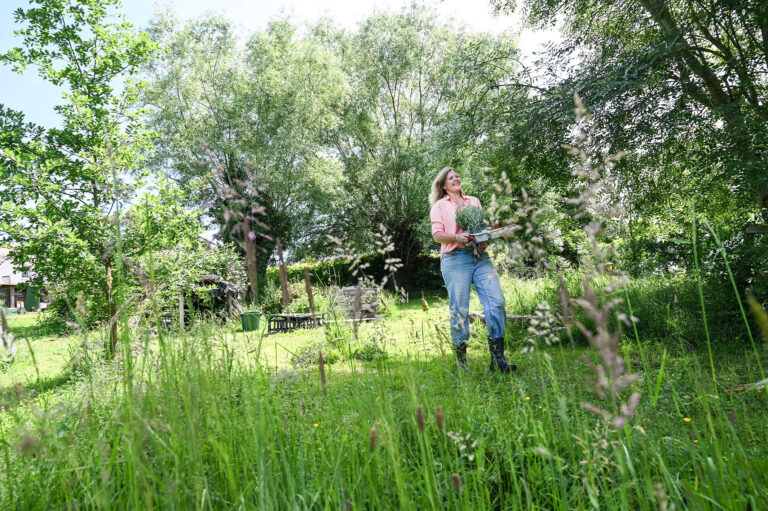
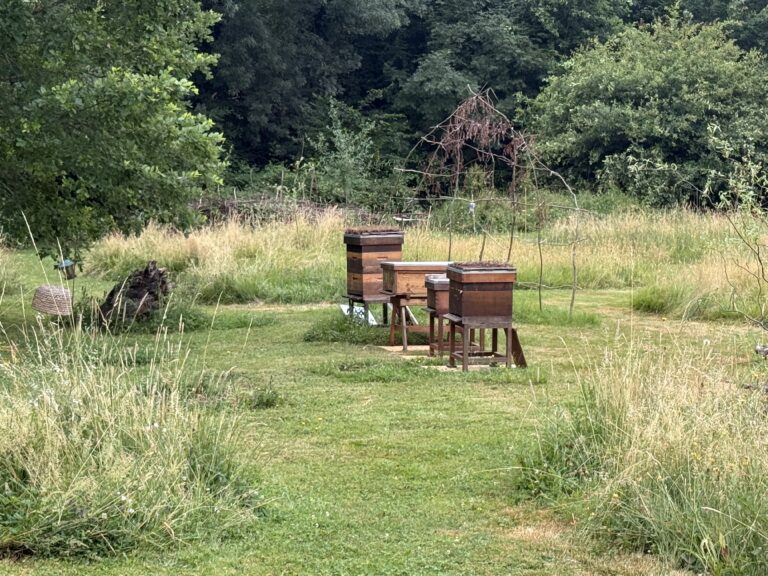
At Val de Foy, these ideas guide decisions about planting patterns, soil management and ecosystem design.
The goal is not simply producing food.
It is creating landscapes that become healthier over time, and not only serve humans, but serve the species that we share our planet with.